
Emotional Wellness
This morning, I woke up at 4:30 as usual. Prayer, warm water, a few stretches. Then I took our poodle for his walk while Vung Tau was still quiet and the air still cool — the kind of cool that only exists for about forty minutes before the heat arrives and makes you wonder why you ever complained about an office.
What I’m learning about happiness in retirement has surprised me completely. I spent forty years chasing it in the wrong places, and it took a quiet Tuesday morning in my kitchen to finally understand what I’d been missing.
By the time we got back, my wife was up and getting ready for work.
I made her breakfast. Scrambled eggs the way she likes them. Coffee. We talked about something we’d watched the night before and laughed about nothing in particular. She kissed me goodbye and headed out. And in that moment, standing in the kitchen with the morning light coming through the window, I felt this wave of something I can only describe as quiet fullness.
Not excitement. Not achievement. Just — contentment. The deep, unhurried kind that doesn’t announce itself.
Here’s what struck me: that feeling was more real than most of what I chased for forty years. And I almost missed it entirely, because nothing about it looked like happiness was supposed to look.
What I’m learning about happiness in retirement has surprised me completely.
The Happiness I Used to Chase
For most of my working life, I measured happiness by milestones. Get the promotion. Close the deal. Finish the project. Earn the recognition. I believed happiness was something you arrived at, like a destination on a map. Work hard enough, achieve enough, and eventually — eventually — you’d get there.
What nobody told me is that happiness doesn’t live at destinations. It evaporates the moment you arrive. You celebrate, briefly, and then your eyes are already scanning for the next thing. The promotion felt good for maybe a week. The recognition faded faster than that. I’d reach the milestone, look around, and find myself already measuring the distance to the next one.
Retirement cracked this open for me. When the titles and the targets disappeared, I had to ask myself an uncomfortable question: if I’m not earning happiness, where does it come from?
I didn’t have an answer at first. I just had a kitchen, a poodle, an empty calendar, and a wife who still had somewhere to be.
What COVID Taught Me That I Wouldn’t Have Learned Otherwise
A few months into retirement, the world shut down. Vietnam went into lockdown. The community activities I was just starting to explore — gone. The travel plans — gone. The social rhythms I was beginning to build — gone.
I expected to fall apart. Instead, something unexpected happened.
Making breakfast for my wife became the anchor of my day. Our morning conversations became longer, slower, more honest — because we had nowhere to rush to. I started walking the poodle with more attention, noticing the neighbourhood I’d been moving through without actually seeing. The light on the bay at 5am. The coffee stalls already open and the particular smell of Vietnamese street coffee in the early morning. Neighbours I’d walked past for months without properly meeting.
Those locked-down months taught me something I couldn’t have learned any other way: happiness doesn’t require good circumstances. It requires attention.
The moments were always there. I just hadn’t been present for them.
I’ve sat with that for a while now, because it changes something. If happiness was waiting in the circumstances all along — in the morning light, the breakfast conversation, the poodle’s ridiculous excitement over a walk he’s done a thousand times — then all those years I spent chasing it elsewhere, I wasn’t unlucky. I was just looking in the wrong direction.
The Simple Equation I’m Still Getting Wrong
It took me into my sixties to really feel what I think I’d half-known all along: in the end, what makes the difference is the quality of the people closest to you. Not wealth. Not achievement. Not health, even. Relationships.
When I first came across this, I thought — yes, obviously. I know that. But knowing something and living it are very different things. I knew it the way I knew I should drink more water. It didn’t change my behaviour.
Retirement is changing my behaviour.
My relationship with my wife has deepened in ways I didn’t anticipate. When you’re both working and both tired and both distracted, you coexist. You manage the household together, you solve problems together, but you don’t always actually see each other. Now I see her. I notice when she’s tired before she says it. I know which days she needs the good coffee and which days she needs to talk. I notice when she’s carrying something she hasn’t put into words yet.
That attention, it turns out, is happiness. Not the result of it — the thing itself.
The 85-year study knew this. I needed retirement to live it.
If you’re still chasing it, I put together a free guide — a gentle place to start.
Get the Free Guide — The 5 Keys to Retirement Happiness →The Mistake I Almost Made
The first few months of retirement, I tried to treat it like a reward. Sleep in. Do whatever. No schedule, no obligations. Just rest.
It lasted about three weeks before I was climbing the walls.
My brain needs to be doing something. Not the driven, prove-myself kind of doing I did for forty years — but something with shape and purpose. Writing this blog. Experimenting in the kitchen (the banana cake has become a personal obsession — no kneading, all blender, very satisfying). Having things I look forward to.
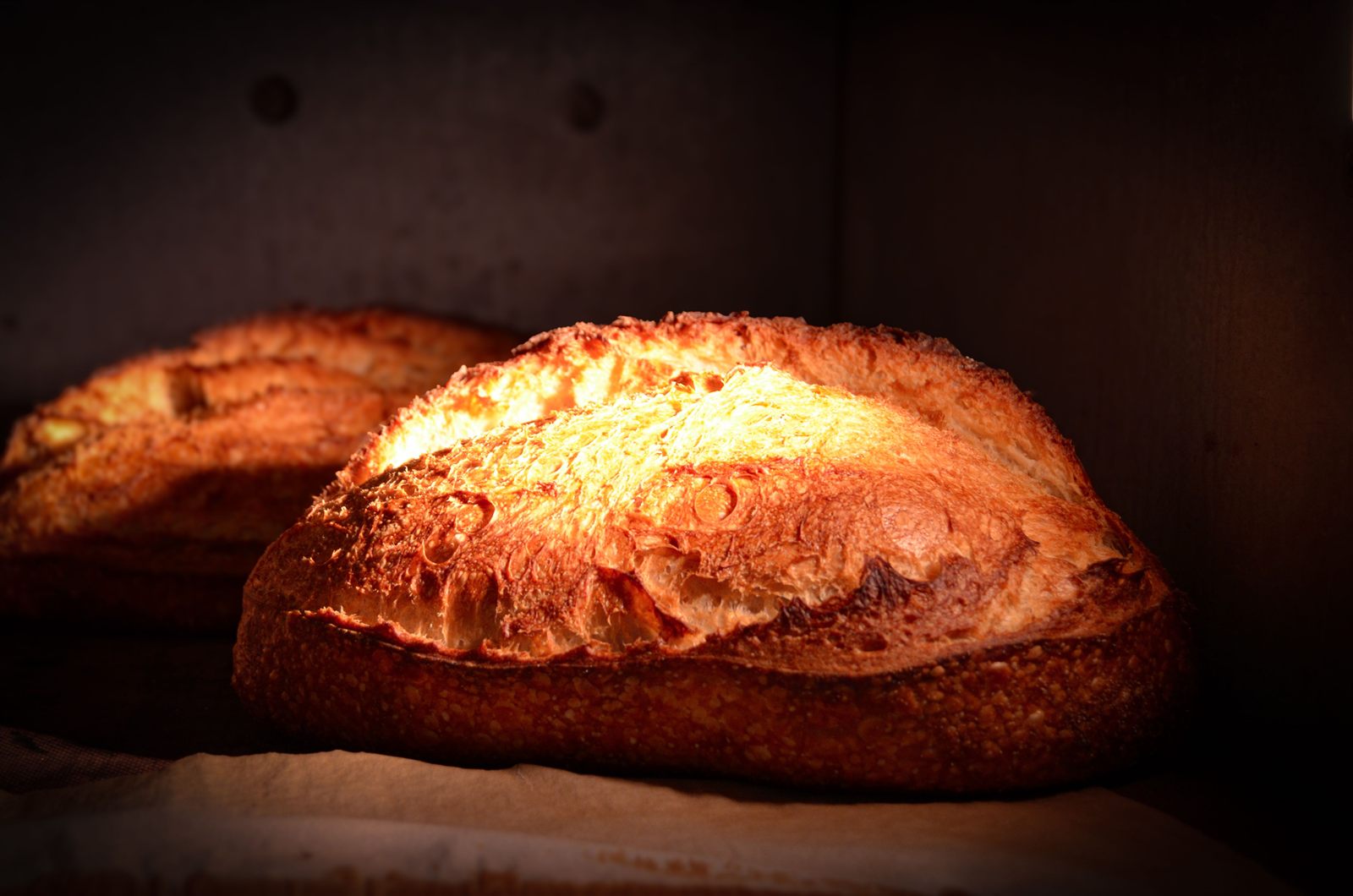
I tried bread-baking too. Watched a video that made it look effortless. My first loaf was so dense it could have been used as a doorstop. I laughed, ate a slice anyway out of stubbornness, and tried again. The second loaf was only slightly better. I consider this progress. The difference in retirement is that failure doesn’t mean anything about me anymore. It’s just data. Try again. Adjust. Try differently. That shift alone has made the whole experiment feel lighter.
Structure in retirement isn’t a sign that you haven’t let go of work. It’s just how humans are built. We need anchors. The trick is choosing anchors that actually nourish you instead of ones that simply fill the time.
What 69 Looks Like From the Inside
I’m almost 69. From the outside, I imagine that sounds like late. From the inside, it feels like I’m just starting to understand how things actually work.
I used to think the goal was to never slow down. Now I think slowing down is the whole point. Not stopping — slowing down enough to actually notice what’s happening around you. The steam from the coffee. The poodle’s ridiculous excitement over a morning walk he’s done a thousand times. The way my wife sounds when she’s telling a story she finds funny.
These aren’t consolation prizes for a life that’s winding down. They’re the actual thing. I just couldn’t see them clearly when I was moving too fast.
Something else I’m discovering: the brain I have now is not the same as the brain I had at thirty, but it’s not lesser. It’s different. I don’t skim anymore. I sit with things. I read a paragraph and think about it and come back. I have forty years of experience to connect new ideas to. When I read about psychology, I have decades of relationships to draw from. When I read about history, I’ve lived through some of it. New information has so much more to attach itself to now. The library is bigger. The connections are richer.
Slower is not worse. Slower is just different — and sometimes more.

The Quiet Truth Nobody Puts in the Brochure
I’m not going to pretend I have this figured out. Some days I still feel the old pull — the sense that I should be doing more, building more, producing more. Old habits are slow to leave.
There are mornings when the emptiness of the calendar feels like accusation rather than invitation. When I catch myself scrolling for urgency that isn’t there. When the muscle memory of four decades of busyness wakes up before the rest of me and starts looking for something to deliver.
But most mornings, standing in my kitchen with the sun coming in and the coffee ready and the simple fact of another day ahead — I feel it. That quiet fullness. The same one I felt watching my wife head out the door with a kiss, on an ordinary Tuesday, in a life that looks nothing like what I expected.
I think that might be what happiness actually is. Not the thing you arrive at. The thing you’re already standing inside — if you slow down enough to notice.
I just spent forty years looking for it somewhere else.
What small moment surprised you recently? I’d genuinely love to hear it — tell me in the comments below. I read every one.
Appreciate you taking the time to read this.
Farook
Take this with you
The Blank-Calendar Worksheet
Permission to keep some days empty — and a gentle way to choose what fills them.
Download the free PDF →Stay a little longer
Ikigai — The Japanese Word I Wish I’d Known Before I Retired
There is a Japanese word that keeps coming back to me — and if you’re navigating retirement and searching for your reason to get up in the morning, it might be the most useful concept you…
The kettle question
“What has retirement taught you that nobody warned you about?”
The comment box is just below — I read every one.
Leave a Reply