
Emotional Wellness
I wrote a piece a while back called When the House Goes Quiet. It was about a Thursday afternoon when the silence in my house got so loud it startled me. Hau was away visiting her sister. I hadn’t had a real conversation in three days.
That piece seemed to land with people. I got messages from strangers — men mostly — saying some version of “I thought it was just me.”
It’s not just you. I know that now. But knowing it and doing something about it are different things. So this is the companion piece. Not the problem. What happened next.
The first thing I did was nothing. For a while.
I told myself I was adjusting. But if I’m honest, I was waiting for connection to find me the way it always had. The way it did for forty years, when colleagues and clients and travel schedules filled the space without me having to arrange any of it.
Retirement doesn’t work that way. The scaffolding comes down. Nobody hands you a replacement. You stand there in the quiet and realise the phone isn’t going to ring unless you ring it first.
It dawned on me slowly. A Saturday passed without a single message. A former colleague’s birthday came and went and I only remembered three days later. The contacts list on my phone was full of people I hadn’t spoken to in years — relationships that existed entirely inside a workplace that no longer included me.
Living in Vietnam adds its own geometry to this. My old friends and ex-colleagues are scattered across time zones — Singapore, Malaysia, Vietnam. Then there are the colleagues from the Austrian company I used to work with. Calin, who’s Romanian. Tutku, who’s Turkish. Still very connected with both of them. You can’t just ring on a whim — by the time I’m thinking of someone at 3pm, it’s midnight in Europe.
What I discovered — and it took me longer than it should have — is that most people don’t need a grand gesture. They need someone to go first.
I started sending WhatsApp messages. Nothing elaborate.
There’s a schoolmate of mine — Jim. We go back to a time when neither of us had grey hair or grandchildren. He’s visited me here in Vung Tau a couple of times, which is no small thing — it takes an additional two hours from Ho Chi Minh City to get to this quaint seaside town. We travelled China together once. Nanjing, Xian, Chengdu. That’s another story. But we have history. The kind of history where I can crack a joke from fifty years ago and he’ll still laugh at it.
We message regularly on WhatsApp. It’s never formal. Never scheduled. Just “What’s happening?” and we go from there. Sometimes it’s five minutes. Sometimes it turns into a proper call — two old voices picking up as if no years had passed.
Jim is part of a small circle I keep. Old schoolmates. Old colleagues. A few family members. Not many. But they’re alive in my “who can I speak to today” list — not every day, just when I’m reminiscing. Just wanting to keep the spark.
The surprising thing wasn’t that people responded. It was how many of them were sitting in their own quiet houses, waiting for someone to go first.
I’d assumed I was the only one who’d fallen out of touch. Turns out falling out of touch is the default setting of modern life, and almost everyone has a list of people they meant to contact and didn’t. The difference now is that I actually send the message. During my working years, I’d think of someone and file it under “should call” — and then a meeting would start, or a flight would board, and the thought would disappear. Now there’s no meeting. No flight. Just the thought, and the choice to act on it or let it pass.
The WhatsApp messages helped. But they were old connections, not new ones. And one thing nobody tells you about retirement is that you need both.
Building new connections at 69 is different from building them at 39. At 39, life hands you proximity — colleagues, fellow travellers on the same career ladder. At 69, you have to create proximity yourself. And that feels awkward in ways I wasn’t prepared for.
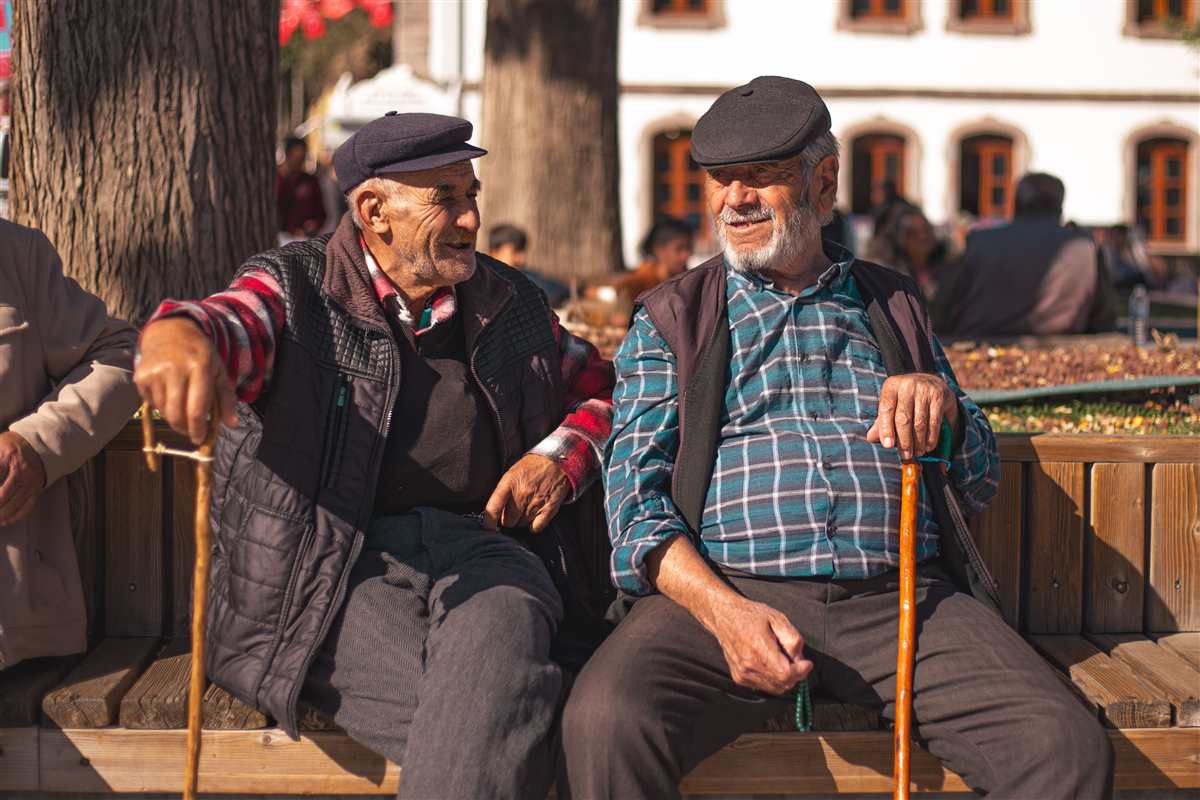
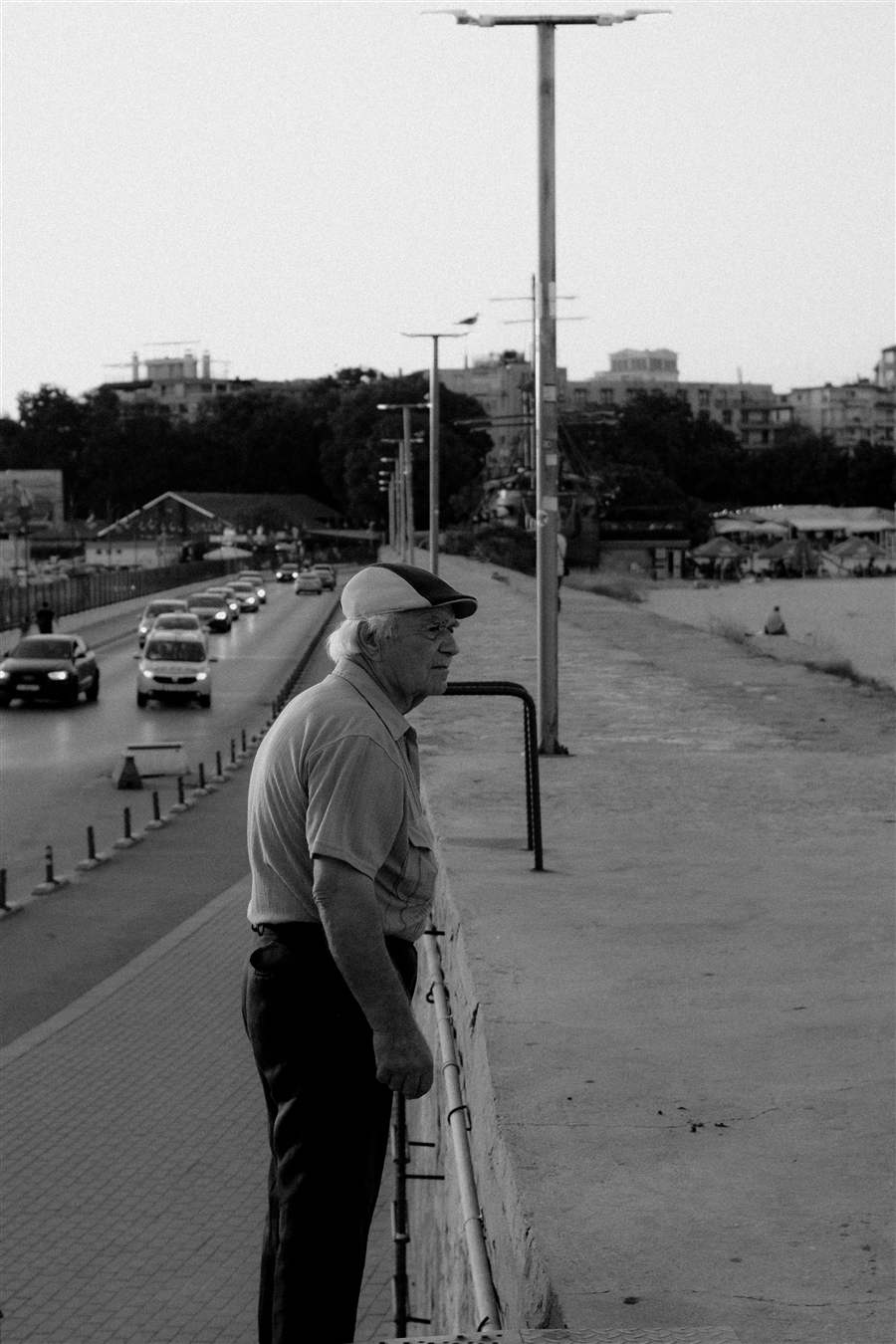
I started small. The morning walk along the Vung Tau seafront — I’d been walking it for years, head down, treating it like a task to complete. I started walking it differently. Slower. Greeting the same faces instead of passing them. The man who sells coffee from a cart near the ferry terminal. The woman who walks three dogs every morning. The retired fisherman who sits on the same bench and watches the bay.
I don’t know any of their names. The conversations are brief — a nod, a comment about the weather, something about the tide. But they’re real. And the cumulative effect is something I didn’t expect: I feel less invisible.
The wet market was another small shift. I used to shop efficiently — in, out, get what I need. Then I started letting the chat at the vegetable stall run a minute longer. The woman who sells me greens knows Hau by name now. Last month she asked where I’d been when I missed a Wednesday. That shouldn’t matter as much as it does, but it does.
I’m not describing friendships. They’re something more modest — threads. Small, ordinary threads that connect you to the world. When you’ve spent forty years inside organisations that provided those threads automatically, you don’t realise how essential they are until they’re gone.
I’ve also started saying yes to things I’d usually decline. A neighbour’s invitation to try his home-brewed rice wine — I’m not an alcohol person, but I was being polite. It tasted terrible, and we laughed heartily. It was supposedly wine for good health.
Not everything works. I tried a local expat group once. Lasted two meetings. The conversation felt forced — it did not feel natural. I didn’t go back. And that’s part of it too. Trying things, and being okay when they don’t fit.
None of this is a strategy. I don’t have a five-step plan for overcoming loneliness. What I have is a series of small decisions — go first, stay longer, say yes — that over time have made the days feel less hollow than they did that Thursday afternoon when the house went quiet.
Some afternoons are still too quiet. I won’t pretend otherwise. But the difference now is that I know the quiet is not permanent. I know that a WhatsApp message can turn into a phone call. That the seafront has familiar faces. That saying yes to the home-brewed rice wine might be terrible but it might also be the start of something.
If you’re somewhere in this season — the quiet has been getting to you, and you’re not sure where to start — here’s what I’d offer. Not advice. Just what worked for me.
Go first. Send the message. Stay an extra minute at the market. Say yes to the thing you’d normally decline. None of it is dramatic. None of it solves everything. But each small thread you weave makes the fabric a little stronger, a little warmer, a little less empty.
I won’t pretend I’ve mastered this. Some weeks I slide back into old habits — head down, busy in my own head, forgetting that connection takes effort. But I notice it faster now. And I know what to do about it.
And if you’ve found your own way through it, I’d genuinely like to hear about it. Consider this me, going first.
If this landed with you, there’s more inside.
Get the Free Guide — The 5 Keys to Retirement Happiness →Keep well and enjoy the journey,
Farook
Take this with you
Kitchen-Table Questions
Twelve gentle questions for good talks — with a friend, a spouse, or yourself.
Download the free PDF →Stay a little longer
The Most Important Relationship
I was a weekend husband for the better part of my career. Retirement changed that overnight. What I’m learning about marriage, presence, and the relationship across the breakfast table.
The kettle question
“When did you last go first — a call, a message, a hello? What happened?”
The comment box is just below — I read every one.
Leave a Reply